waterleakpatchVIPMemberLinksealsadvancedrepairtechniques
Water leaks can escalate from minor annoyances into costly disasters within hours, yet many homeowners and facility managers remain unprepared to act swiftly. The solution often lies in access to high-performance leak patches—particularly those reserved for VIP members—where exclusive materials like epoxy resins and polyurethane compounds deliver long-lasting seals under pressure. Unlike generic fixes that fail under stress, VIP-approved patches combine cutting-edge chemistry with hands-on expertise, offering a tiered advantage for everything from residential pipes to industrial infrastructure.
Behind every effective leak repair stands a method rooted in precision: identifying the leak’s origin, selecting the right material for the surface, and applying techniques tailored to pressure levels or environmental conditions. For VIP members, this process is streamlined with access to premium tools, step-by-step visual guides, and emergency protocols that standard consumers rarely encounter. Whether it’s a basement flood, a roof breach, or a high-pressure pipe failure, the difference between a temporary bandage and a permanent fix often hinges on the resources available—resources that membership programs unlock at a fraction of retail costs.
Understanding Water Leak Patches: Core Concepts and VIP Member Benefits

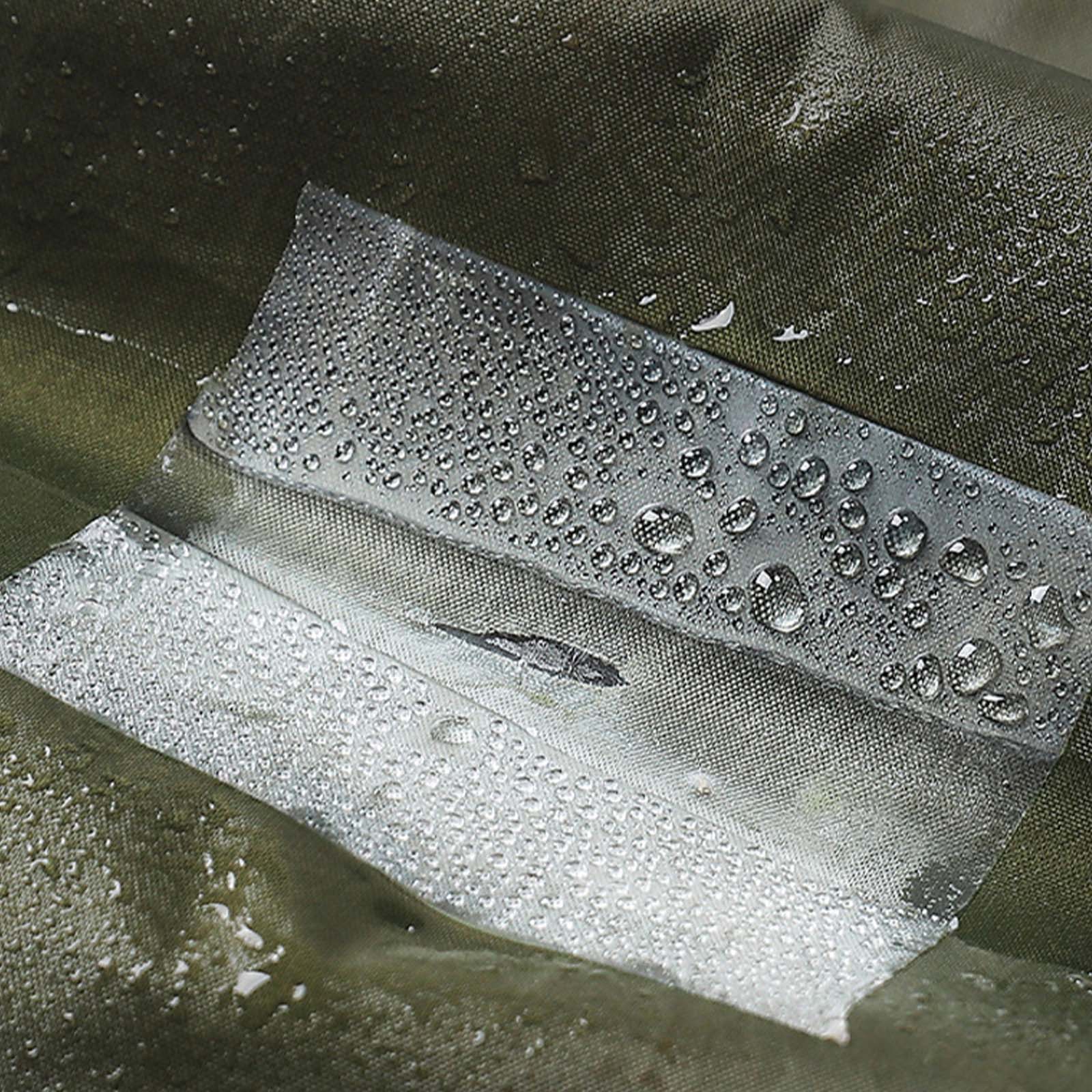
Water leaks pose a persistent challenge for homeowners, business operators, and facility managers, often leading to structural damage, mold growth, and escalated utility costs. Water leak patches serve as a critical solution, offering a swift and cost-effective method to halt leaks in pipes, tanks, roofs, and other water-containing systems. These patches function through chemical reactions or physical barriers, utilizing materials like epoxy resins, rubberized compounds, and polyurethane to create durable seals. VIP memberships from hardware stores, plumbing services, or specialized platforms enhance access to premium products, discounts, and expert support, making repairs more efficient and economical.
The effectiveness of a water leak patch depends on the material composition, application method, and the specific leak scenario. Temporary patches, often adhesive-based, provide immediate fixes for minor leaks, while permanent solutions like epoxy or rubberized patches are designed for long-term durability under high pressure. Understanding the distinctions between these types of patches—and their ideal use cases—allows users to select the most appropriate solution for their needs. VIP memberships further amplify these benefits by offering exclusive access to high-quality products, extended warranties, and priority technical assistance, ensuring repairs are both reliable and hassle-free.
Mechanics and Materials of Water Leak Patches
Water leak patches operate through two primary mechanisms: chemical adhesion and physical barrier formation. Chemical adhesion relies on materials like epoxy resins or polyurethane, which bond to surfaces through polymerization—a process where monomers link to form a hardened, waterproof seal. These materials are particularly effective for metallic pipes, PVC, and fiberglass, as they create a strong molecular bond that resists water infiltration.
Physical barrier patches, such as rubberized compounds or foam-based sealants, work by filling gaps and creating a watertight layer over the leak. These are often used for larger cracks, joints, or porous surfaces like concrete or wood. The choice of material influences durability, flexibility, and resistance to temperature fluctuations. For instance: - Epoxy resins excel in high-pressure environments but may require precise application. - Rubberized patches offer flexibility, ideal for vibrating or shifting structures. - Polyurethane sealants provide a balance of adhesion and elasticity, suitable for both indoor and outdoor leaks.
Table of Contents
- Understanding Water Leak Patches: Core Concepts and VIP Member Benefits
- Mechanics and Materials of Water Leak Patches
- Types of Water Leak Patches and Their Applications
- Comparison of Popular Water Leak Patch Products
- Identifying Water Leaks in Residential and Commercial Settings
- Step-by-Step Guide to Applying Water Leak Patches: VIP-Exclusive Techniques
- Pre-Application Workflow: Visual Flowchart and Surface Preparation
- Advanced Application Techniques for VIP Members
- Material-Specific Procedures: Metal, PVC, and Concrete
- VIP Member Access: Exclusive Tools, Resources, and Discounts for Leak Repairs
- Exclusive Tools and Diagnostic Resources for VIP Members
- Advanced Training and Certification Modules for VIP Members
- Discount Structures and Financial Incentives for VIP Members
- Comparison of VIP Membership Tiers and Associated Benefits
- Emergency Leak Repairs: VIP Protocols for Rapid Damage Control
- Immediate Actions Checklist for VIP Members Upon Discovering a Leak
- VIP Emergency Response Services: 24/7 Support Beyond Standard Offerings
- Assessing Leak Severity with VIP-Provided Diagnostic Tools
- Step-by-Step Application of Temporary VIP-Approved Patches
- FAQ: Addressing VIP Member Concerns During Leak Emergencies
The effectiveness of a water leak patch is determined by its ability to chemically bond or physically block water while maintaining structural integrity under varying conditions, such as temperature changes or pressure fluctuations.
Types of Water Leak Patches and Their Applications
Water leak patches are categorized based on durability, application method, and intended use, each suited to specific scenarios. Below are the most common types, along with their advantages, limitations, and ideal applications:
Selecting the right patch type depends on the leak’s severity, the material of the affected surface, and environmental exposure (e.g., indoor vs. outdoor).
Comparison of Popular Water Leak Patch Products
The market offers a variety of water leak patch products, each differing in material composition, ease of use, and cost. Below is a comparative table outlining some of the most widely used options, including their pros, cons, and typical applications:
| Brand/Product | Material | Durability | Ease of Application | Cost Range | Typical Use Cases | Pros | Cons |
|---|---|---|---|---|---|---|---|
| Loctite Super Glue Gel Control | Cyanoacrylate (modified epoxy) | Short-term (weeks to months) | Very Easy (no tools required) | $5–$15 | Small leaks in pipes, faucets, and minor cracks | Fast-drying, strong initial bond, versatile for metals and plastics | Not waterproof long-term; brittle under stress |
| Rust-Oleum Leak Seal | Rubberized epoxy | Long-term (years) | Moderate (requires surface prep) | $15–$30 | Plumbing leaks, water tanks, outdoor pipes | High durability, resistant to temperature changes, waterproof | Longer drying time; may require sanding for best adhesion |
| Gorilla Waterproof Patch & Seal Tape | Synthetic rubber adhesive | Medium-term (6–12 months) | Easy (no-mess tape application) | $10–$25 | Roof leaks, basements, temporary fixes | Flexible, weather-resistant, quick application | Not suitable for high-pressure leaks; temporary solution |
| Permatex Ultra Black Pipe Sealant | Anaerobic sealant | Long-term (years) | Moderate (requires clean surfaces) | $12–$25 | Threaded pipe connections, plumbing joints | High-temperature resistance, prevents corrosion, permanent seal | Limited to threaded or close-fitting surfaces |
| SikaFlex-1K | Polyurethane | Long-term (years) | Moderate (professional-grade) | $30–$60 | Structural leaks, concrete repairs, industrial applications | Elastic, resistant to chemicals and UV, high load-bearing capacity | Expensive; requires expertise for optimal results |
When selecting a water leak patch, prioritize products that match the leak’s environment (e.g., indoor vs. outdoor) and the material of the affected surface. For example, epoxy-based patches are ideal for metallic pipes, while rubberized tapes suit flexible or porous surfaces.
Identifying Water Leaks in Residential and Commercial Settings
Early detection of water leaks mitigates costly repairs and prevents secondary damage such as mold or structural weakening. Leaks manifest through visual, olfactory, and utility-related signs, each indicating different types of water intrusion. Below are key indicators and a step-by-step guide to locating leaks systematically:
Leaks in residential settings often appear as: - Damp spots or stains on ceilings, walls, or floors, particularly near pipes, windows, or basements. - Mold growth in hidden areas like behind drywall, under sinks, or in crawl spaces. - Musty odors that persist despite ventilation, signaling trapped moisture. - Unusually high water bills, which may suggest hidden leaks in plumbing or irrigation systems.
Commercial properties face additional challenges, such as leaks in HVAC systems, roofing failures, or burst pipes in large-scale plumbing networks. In both cases, the following steps help pinpoint the source:
- Inspect visible pipes and fixtures: Check for corrosion, rust, or water droplets around faucets, showerheads, and exposed pipes. Pay attention to joints and connections, where leaks commonly occur.
- Monitor water meters: Turn off all water sources and observe the meter for unusual movements, which indicate underground or hidden leaks.
- Examine basements and crawl spaces: Look for puddles, warping, or efflorescence (white mineral deposits), which signal groundwater seepage or plumbing failures.
- Use moisture detection tools: Devices like infrared cameras or moisture meters reveal hidden leaks behind walls or under flooring by detecting temperature or humidity anomalies.
- Check outdoor areas: Inspect siding, foundations, and irrigation systems for soggy soil, standing water, or damaged seals, which may indicate roof or pipe leaks.
- Listen for running water: In quiet environments, dripping or hissing sounds from walls or ceilings often pinpoint active leaks.
*In commercial settings
Step-by-Step Guide to Applying Water Leak Patches: VIP-Exclusive Techniques
Water leak patches are not a one-size-fits-all solution; their effectiveness hinges on precise application tailored to material type, leak severity, and environmental conditions. VIP members gain access to proprietary techniques—such as heat-assisted expansion, hybrid sealing systems, and pressure-resistant reinforcements—that transform a temporary fix into a long-term solution. This guide outlines a structured workflow, from surface preparation to advanced application methods, ensuring leaks are sealed with durability and efficiency. Below are the foundational steps, VIP-exclusive refinements, and material-specific procedures, supported by real-world outcomes and error mitigation strategies.
Pre-Application Workflow: Visual Flowchart and Surface Preparation
Before applying any patch, the affected area must undergo rigorous preparation to ensure adhesion and structural integrity. A visual flowchart (described for HTML/CSS implementation) maps this process into a linear, actionable sequence: 1
Leave a Comment
Comments are moderated before appearing. The data you submit is processed according to the Privacy Policy of Beachcomberhottubs.