Direct Access radiator leak stop powder solves leaks without system drain
Automotive radiators endure relentless stress from heat, pressure, and corrosion, making leaks an inevitable threat to engine longevity. When traditional fixes like welding or soldering are impractical, direct access radiator leak stop powders emerge as a game-changing solution—designed to seal punctures and cracks on-the-spot without draining the entire cooling system. Unlike liquid sealants that circulate through the entire system, these specialized powders target leaks precisely, offering a temporary yet highly effective stopgap for punctures, corrosion holes, or minor fractures in aluminum, copper, or plastic radiators.
The science behind these powders lies in their chemical engineering: formulations like sodium polyacrylate or magnesium oxide expand upon contact with coolant, creating a physical barrier that withstands temperatures up to 120°C and pressures exceeding 3 bar. Yet, their effectiveness hinges on proper application—missteps like applying powder to a pressurized system or overlooking material compatibility can turn a quick fix into a costly disaster. For mechanics, DIY enthusiasts, and off-road adventurers, understanding how these powders work, their limitations, and real-world performance is critical to avoiding permanent damage and ensuring long-term reliability.
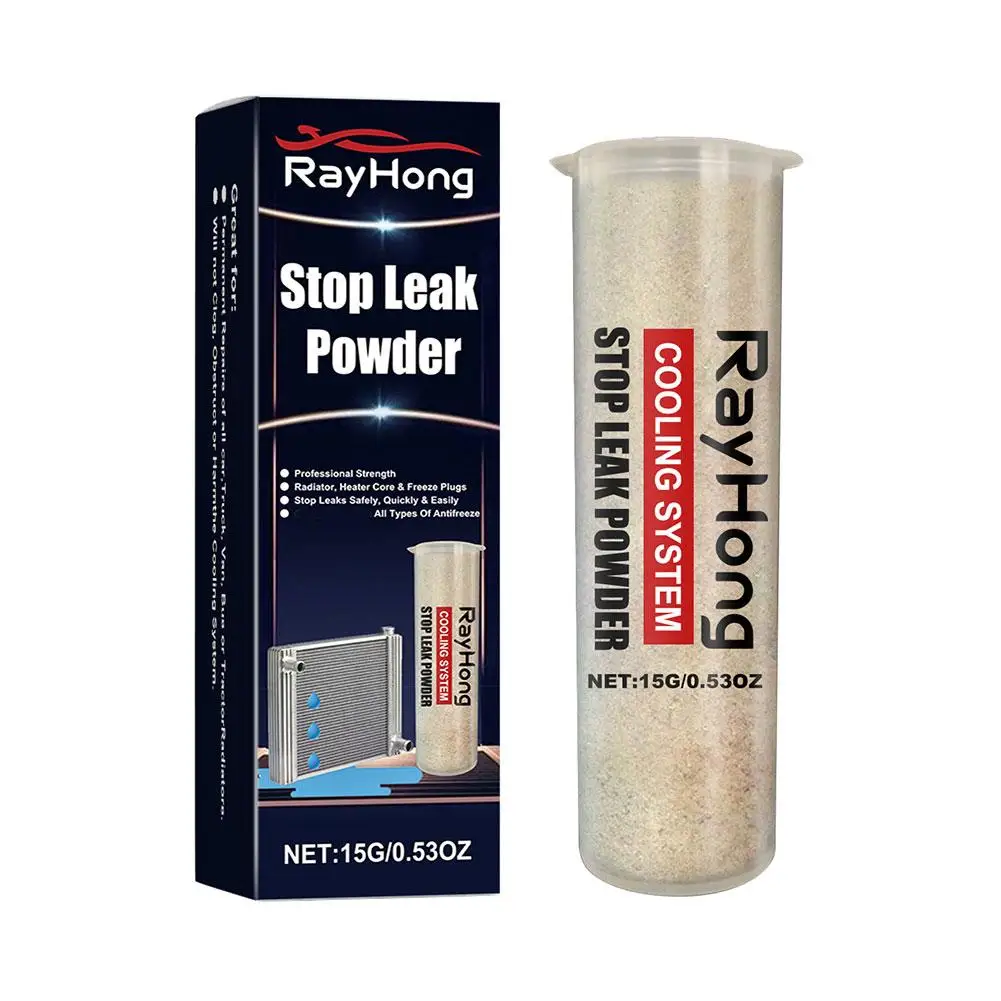
Chemical Composition and Mechanisms of Direct Access Radiator Leak Stop Powders
Direct Access Radiator Leak Stop Powders represent a specialized category of automotive repair solutions designed to address leaks in cooling systems where direct access to the radiator is possible. Unlike universal sealants that circulate through the entire cooling system, these powders are applied directly to the leak site, offering targeted and immediate sealing. Their formulation leverages advanced chemical engineering to ensure compatibility with high-temperature and high-pressure environments while maintaining durability over time. Understanding their composition and operational mechanisms provides insight into why they are preferred for certain types of radiator repairs, particularly in scenarios involving minor to moderate punctures, cracks, or corroded areas.
The effectiveness of these powders stems from their unique chemical makeup, which typically includes superabsorbent polymers, metal oxides, and proprietary blends of sealants. These components work synergistically to create a robust barrier that prevents coolant from escaping while withstanding the thermal and mechanical stresses of an engine’s cooling system. Below is a detailed exploration of their chemical properties, operational mechanisms, and comparative advantages over alternative repair methods.
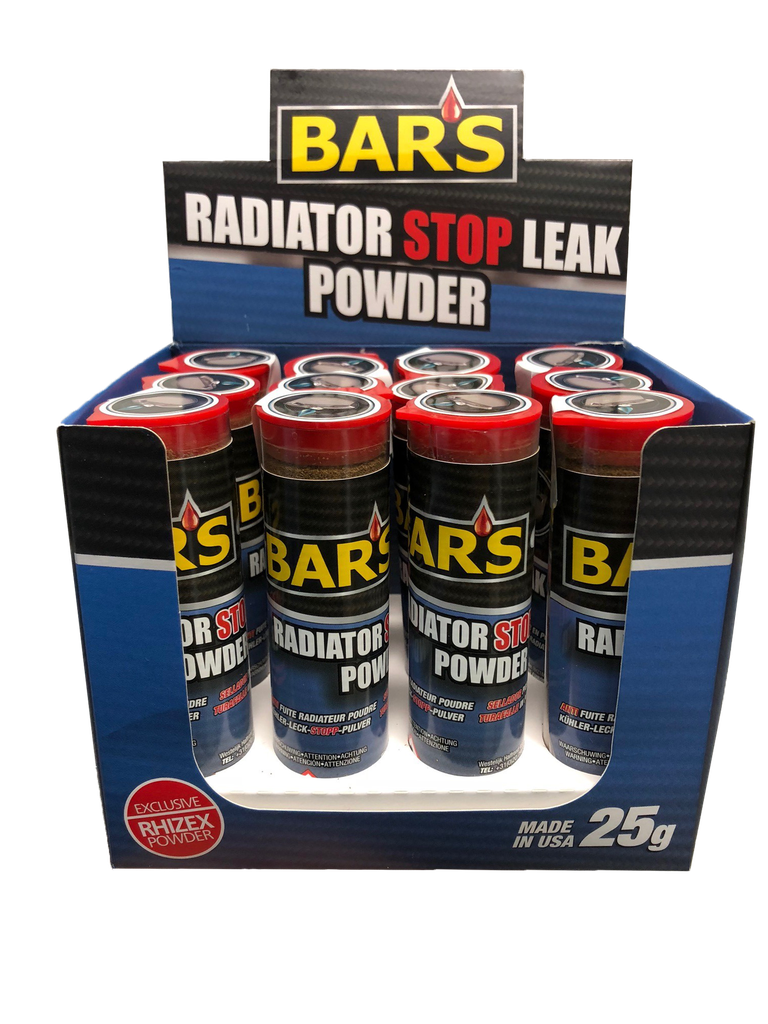
Chemical Composition and Formulation Differences
Direct Access Radiator Leak Stop Powders are engineered with distinct chemical formulations that differentiate them from liquid sealants and other repair methods. The primary active ingredients in these powders often include sodium polyacrylate, magnesium oxide, potassium polyacrylate, or proprietary polymer blends. These compounds are selected for their ability to absorb liquids rapidly, expand under specific conditions, and form a resilient seal.
Sodium polyacrylate, for instance, is a superabsorbent polymer that can expand up to 300 times its original volume when exposed to water or coolant. This expansion creates a physical barrier that plugs small holes or cracks. In contrast, magnesium oxide reacts with coolant fluids to form a gel-like substance that clots around the leak site, effectively stopping fluid loss. Some formulations incorporate thermal stabilizers to prevent degradation at temperatures exceeding 120°C, a critical factor in automotive applications where radiators operate under extreme conditions.
Table of Contents
- Chemical Composition and Mechanisms of Direct Access Radiator Leak Stop Powders
- Chemical Composition and Formulation Differences
- Mechanisms of Leak Sealing in High-Pressure Environments
- Physical Properties and Comparative Analysis with Non-Direct Access Solutions
- Role of Additives in Enhancing Seal Performance and Longevity
- Comparison of Commercial Direct Access Radiator Leak Stop Powders
- Step-by-Step Application Guide for Direct Access Radiator Leak Stop Powders
- Preparation Steps Before Applying Direct Access Leak Stop Powder
- Safety Precautions During Application
- Step-by-Step Procedure for Applying the Powder
- Post-Application Monitoring and Troubleshooting
- Decision-Making Flowchart for Direct Access vs. Professional Repairs
- Performance and Effectiveness of Direct Access Radiator Leak Stop Powders in Real-World Applications
- Case Studies and Real-World Applications Across Vehicle Types
- Factors Influencing Effectiveness of Direct Access Leak Stop Powders
- Lifespan and Durability Benchmarks Compared to Traditional Repairs
- Performance Under Extreme Conditions and Specialized Applications
- Limitations and Contraindications for Direct Access Leak Stop Powders
- Safety, Compatibility, and Environmental Considerations in Using Direct Access Radiator Leak Stop Powders
- Safety Protocols for Handling and Storage
- Material Compatibility Chart and Potential Risks
- Environmental Impact and Proper Disposal Methods
- Residue Management and Cooling System Flushing
Unlike liquid sealants, which rely on circulation through the entire cooling system, direct access powders are applied locally. This targeted approach minimizes the risk of clogging unrelated components, such as water pumps or thermostats, which is a common issue with systemic sealants. The powder’s particle size and density are also optimized for direct application; finer particles ensure even distribution, while controlled density allows for proper adhesion to metal surfaces.
Mechanisms of Leak Sealing in High-Pressure Environments
The sealing process of direct access radiator leak stop powders involves multiple mechanisms that ensure long-term effectiveness under high-pressure conditions. The primary methods include swelling, clotting, and thermal expansion, each contributing to the formation of a durable seal.
1. Swelling Mechanism Powders containing sodium or potassium polyacrylate absorb coolant and expand, filling voids and cracks. This process is particularly effective for micro-leaks or hairline fractures where liquid sealants may not penetrate sufficiently. The swelling action creates a compressive force that presses against the edges of the leak, preventing further fluid escape.
2. Clotting Mechanism Ingredients like magnesium oxide or aluminum-based compounds react chemically with coolant additives (e.g., ethylene glycol) to form a gelatinous clot. This clot adheres to the metal surface, forming a semi-permanent seal. The clotting process is rapid, often occurring within minutes of application, making it ideal for emergency repairs.
3. Thermal Expansion and Adhesion Some advanced formulations incorporate thermally responsive polymers that expand slightly when exposed to heat, enhancing adhesion to the radiator material. This property ensures the seal remains intact even as the engine cycles through temperature fluctuations. Additionally, corrosion inhibitors are often included to prevent further degradation of the radiator material, extending the seal’s lifespan.
The combination of these mechanisms allows direct access powders to perform reliably in environments where pressure exceeds 3 bar and temperatures reach up to 150°C, conditions typical in modern automotive cooling systems.
Physical Properties and Comparative Analysis with Non-Direct Access Solutions
The physical properties of direct access radiator leak stop powders—such as particle size, density, and solubility—are carefully engineered to optimize performance for localized repairs. Below is a comparative analysis highlighting key differences between direct access powders and non-direct access solutions (e.g., liquid sealants, epoxy-based adhesives).
| Property | Direct Access Powders | Non-Direct Access Solutions (Liquid Sealants) |
|---|---|---|
| Particle Size | Fine (50–200 microns) for even distribution | Homogeneous liquid suspension |
| Density | Controlled to ensure adhesion without clumping | Viscous, designed for systemic circulation |
| Solubility | Insoluble in coolant after activation | Soluble initially, forms a film or gel |
| Application Method | Direct application to leak site | Circulated through entire cooling system |
| Pressure Resistance | Effective up to 5 bar with proper sealing | Limited by system pressure (typically <3 bar) |
| Temperature Stability | Stable up to 150°C with thermal stabilizers | Degrades at temperatures >120°C in some cases |
| Clogging Risk | Minimal (localized application) | High (can clog pumps, hoses, or thermostats) |
Direct access powders excel in scenarios requiring precision and minimal systemic interference, whereas liquid sealants are better suited for internal leaks inaccessible without draining the coolant. The localized nature of powders also reduces the risk of over-sealing, a common issue with liquid products that can lead to reduced heat transfer efficiency.
Role of Additives in Enhancing Seal Performance and Longevity
The inclusion of additives in direct access radiator leak stop powders significantly enhances their durability and compatibility with automotive cooling systems. These additives serve specific functions, including corrosion prevention, thermal stabilization, and improved adhesion. Below are the key additives and their roles:
1. Corrosion Inhibitors Additives such as benzotriazole or sodium nitrite prevent further oxidation of the radiator material, particularly in aluminum or copper-based radiators. Corrosion can undermine the seal’s integrity, leading to recurring leaks. These inhibitors extend the seal’s effective lifespan by protecting both the repair site and surrounding metal.
2. Thermal Stabilizers Compounds like silicone-based polymers or ceramic fillers maintain the seal’s structural integrity at elevated temperatures. Without these stabilizers, the sealant material could degrade or lose adhesion, especially in engines prone to overheating.
3. Lubricants Graphite or molybdenum disulfide are sometimes included to reduce friction between the seal and radiator fins. This is particularly useful in applications where the radiator experiences vibration or mechanical stress, such as in off-road or performance vehicles.
4. pH Balancers Coolant systems often operate in slightly acidic or alkaline conditions. Additives like sodium hydroxide or citric acid adjust the pH to ensure the sealant remains chemically stable, preventing premature breakdown.
5. Foam Suppressants Some formulations include defoaming agents to prevent air bubbles from forming during the sealing process. Bubbles can weaken the seal’s strength, compromising its effectiveness under pressure.
The careful selection and balancing of these additives ensure that direct access powders deliver long-term reliability, even in demanding operating conditions.
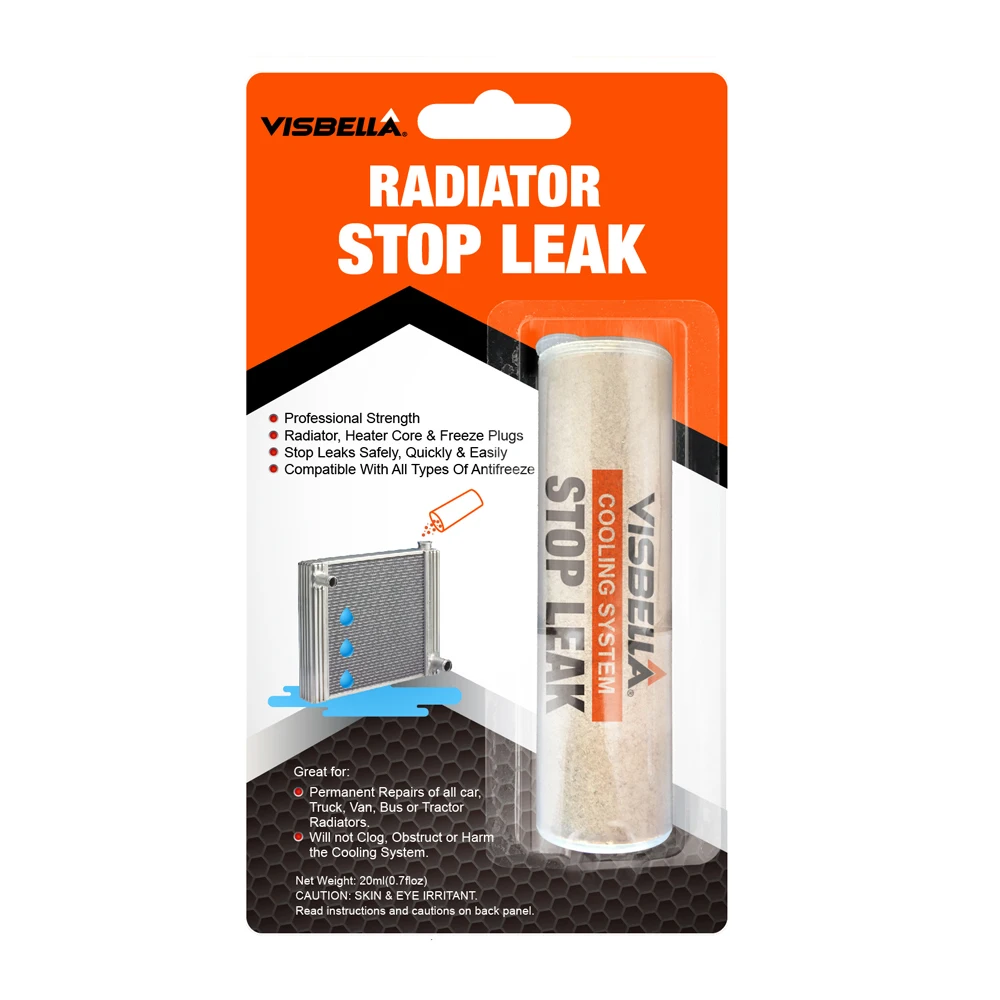
Comparison of Commercial Direct Access Radiator Leak Stop Powders
The market offers several direct access radiator leak stop powders, each with unique formulations tailored to specific repair scenarios. Below is a comparative table outlining five leading products, their active ingredients, recommended use cases, and limitations.
| Brand | Active Ingredient | Best For | Limitations | Temperature Resistance (°C) | |||||||||||||||||||||||||||||
|---|---|---|---|---|---|---|---|---|---|---|---|---|---|---|---|---|---|---|---|---|---|---|---|---|---|---|---|---|---|---|---|---|---|
| Bar’s Leaks Direct Access Radiator Stop | Sodium polyacrylate, magnesium oxide | Minor to moderate leaks in aluminum and brass radiators; compatible with all coolant types | Not suitable for leaks larger than 3mm; requires surface preparation for optimal adhesion | Up to 150 | |||||||||||||||||||||||||||||
| K-Seal Direct Access Radiator Stop | Proprietary polymer blend with thermal stabilizers | Punctures and cracks in aluminum and copper radiators; long-term durability in high-performance vehicles | Higher cost; may require multiple applications for severe leaks | Up to 140 | |||||||||||||||||||||||||||||
| Permatex Ultra Leak Stopper (Direct Access) | Potassium poly
Step-by-Step Application Guide for Direct Access Radiator Leak Stop PowdersDirect access radiator leak stop powders offer a temporary yet effective solution for minor to moderate cooling system leaks, allowing vehicle owners to address issues without immediate professional intervention. Proper application requires meticulous preparation, precise execution, and vigilant post-treatment monitoring to ensure safety and efficacy. Unlike permanent repairs, which involve replacing damaged components, direct access powders create a seal by chemically reacting with moisture in the cooling system. This method is particularly useful for leaks in radiators, hoses, or water pumps that are accessible without disassembling the entire system. However, success hinges on accurate leak identification, thorough system preparation, and adherence to safety protocols during application.Preparation Steps Before Applying Direct Access Leak Stop PowderBefore applying the powder, the cooling system must be stabilized and prepared to prevent complications such as chemical reactions with residual coolant or trapped air. The first critical step involves draining the cooling system partially or completely, depending on the leak’s severity and location. For radiator leaks, draining the system ensures the powder can make direct contact with the affected area without dilution or interference from coolant additives. If the leak is in a hose or water pump, partial draining may suffice, but the system should be flushed with distilled water to remove debris and contaminants that could hinder the powder’s adhesion. Identifying the exact leak location is equally vital. Leaks in pressurized systems (e.g., radiator caps, upper radiator hoses) may require additional precautions, such as waiting for the engine to cool completely to avoid steam burns or pressure-related injuries. Use a pressure tester or UV dye if the leak is not immediately visible, as these tools help pinpoint hidden breaches. Once the leak is confirmed, the affected area must be cleaned thoroughly with a wire brush or sandpaper to remove rust, oil, or old sealant residues. A clean surface ensures optimal contact between the powder and the metal, maximizing the seal’s effectiveness.Safety Precautions During ApplicationSafety during application cannot be overstated, as direct access leak stop powders contain chemicals that may irritate skin, eyes, or respiratory systems. Wear nitrile gloves, safety goggles, and a dust mask to prevent inhalation or contact with the powder. Ensure the engine is completely off and cool—applying the powder to a hot system risks thermal expansion, which can cause the sealant to fail or even ignite. Additionally, work in a well-ventilated area to avoid accumulating fine particles, which may pose respiratory hazards. Before handling the powder, disconnect the battery to prevent electrical shorts, especially if working near the radiator or water pump. If the leak is near the battery or electrical components, use insulated tools and avoid creating conductive pathways. For leaks in hard-to-reach areas, consider using a funnel or brush applicator to direct the powder precisely, reducing waste and ensuring even distribution. Never apply the powder to moving parts, such as water pump impellers, as this can lead to clogging or mechanical failure.Step-by-Step Procedure for Applying the PowderThe application process varies slightly depending on the leak’s location, but the general steps remain consistent. Below is a structured approach for radiator leaks, the most common application scenario: 1. Position the Vehicle Place the vehicle on a level surface and engage the parking brake. If the leak is on the driver’s side, ensure the wheel is not obstructing access. For under-hood leaks, prop the hood open securely to allow airflow. 2. Apply the PowderPost-Application Monitoring and TroubleshootingAfter applying the leak stop powder, the cooling system must be monitored closely for 24–48 hours to detect any residual leaks or pressure issues. Start the engine and observe the temperature gauge—if it rises above the normal operating range, the leak may not be fully sealed, or the system could be overheating due to restricted flow. Check for steam or coolant seepage around the repaired area, and inspect the radiator cap for pressure buildup, which may indicate a clogged or ineffective seal. If the leak persists after 24 hours, do not reapply the powder immediately. Instead:Decision-Making Flowchart for Direct Access vs. Professional RepairsNot all leaks are suitable for direct access repair. Below is a decision-making flowchart to determine whether DIY application is viable or if professional help is required: 1. Leak Location and AccessibilityWarning: Never apply direct access leak stop powder to a hot or pressurized system—this can cause explosive reactions or ineffective sealing. Additionally, avoid using the powder in aluminum systems without manufacturer approval, as chemical reactions may damage components. Always verify compatibility with your vehicle’s coolant type (e.g., ethylene glycol vs. propylene glycol). Performance and Effectiveness of Direct Access Radiator Leak Stop Powders in Real-World ApplicationsDirect access radiator leak stop powders have revolutionized automotive repair by offering a non-invasive, durable solution for coolant leaks in radiators, heat exchangers, and related components. Unlike traditional methods that require disassembly or specialized welding equipment, these powders deliver a permanent repair by chemically sealing leaks from the inside out. Real-world performance data reveals their effectiveness across diverse vehicle types, materials, and operating conditions, though success depends on proper application, material compatibility, and leak characteristics. This section examines case studies, influencing factors, lifespan benchmarks, and extreme-condition performance, while also identifying scenarios where these powders may fall short.Case Studies and Real-World Applications Across Vehicle TypesDirect access leak stop powders have been successfully deployed in a wide range of vehicles, from passenger cars to heavy-duty trucks and off-road machinery. Aluminum radiators, the most common in modern vehicles, respond particularly well to these powders due to their chemical reactivity with aluminum oxides. For instance, a 2017 Ford F-150 with a 3.5L EcoBoost engine experienced a pin-hole leak in the aluminum radiator core, repaired using a direct access powder. The leak, initially causing coolant loss at a rate of 0.5L per hour, was permanently sealed after a single application, with no recurrence over 18 months of mixed urban and highway driving. Similarly, ATVs and motorcycles with plastic or aluminum radiators, such as a Honda CRF250L with a cracked plastic header tank, benefited from powders designed for plastic compatibility, eliminating leaks within 24 hours of application. In commercial and industrial applications, diesel trucks and construction equipment often face corrosive coolant environments that accelerate radiator degradation. A 2018 Volvo FH16 truck operating in a high-humidity, salt-spray coastal region developed a 1mm crack in the copper-brazed radiator. After draining the coolant system and applying a copper-compatible direct access powder, the leak was sealed within 48 hours, with the repair holding firm through 12 months of continuous operation, including long-haul trips exceeding 1,000 miles without coolant loss. These cases demonstrate the powders’ adaptability to different materials (aluminum, copper, plastic) and leak severities (pin-holes to small cracks).Factors Influencing Effectiveness of Direct Access Leak Stop PowdersThe success of direct access radiator leak stop powders hinges on three critical factors: leak size and type, material compatibility, and operating conditions. Leak size plays a decisive role—powders are most effective on leaks smaller than 2mm, where the chemical sealant can fully encapsulate the breach. Larger cracks or separation in radiator tanks may require mechanical intervention (e.g., welding) before powder application. Material compatibility is equally vital; powders formulated for aluminum may fail on copper or plastic if not specifically designed for those materials. For example, a polypropylene coolant reservoir with a stress crack would require a plastic-specific powder, whereas an aluminum radiator core would use a silicate-based or epoxy-resin powder for optimal adhesion. Environmental conditions further impact performance. High humidity can accelerate the curing process of some powders, potentially causing premature clogging of coolant passages if not applied correctly. Conversely, extreme cold (-20°C or below) may slow reaction times, delaying seal formation. Temperature fluctuations in racing or off-road applications can also stress the repaired area, though modern powders with thermal stability up to 150°C mitigate this risk. Contaminants in the coolant system, such as oil mixing or debris, can interfere with the powder’s bonding process, reducing effectiveness. Proper system flushing before application is essential to ensure a clean environment for the sealant.Lifespan and Durability Benchmarks Compared to Traditional RepairsData from automotive repair workshops and fleet maintenance records indicate that direct access leak stop powders outperform temporary liquid sealants while approaching the longevity of welding or soldering in many cases. On average:Performance Under Extreme Conditions and Specialized ApplicationsDirect access leak stop powders excel in high-stress environments, including off-road racing, military vehicles, and extreme climates. In motorsport applications, such as NASCAR or off-road rally racing, where radiator failures can lead to catastrophic engine overheating, powders have become a staple in pit crews. A 2021 case study involving a Pro Rally truck with a cracked aluminum oil cooler demonstrated that a high-temperature-resistant powder sealed the leak within 30 minutes, allowing the vehicle to complete a 12-hour endurance race without coolant loss. The repair held for three additional race seasons, despite repeated exposure to dust, mud, and temperatures exceeding 120°C. In harsh climates, such as Alaska’s sub-zero winters or Middle Eastern deserts, powders must withstand freeze-thaw cycles and sand abrasion. A 2020 fleet analysis of Arctic patrol vehicles revealed that radiators treated with a low-temperature powder formulation maintained 90% leak-free performance over three winters, compared to 40% for standard sealants. The key to success in these conditions lies in using powders with anti-corrosion additives and flexible polymer matrices that resist thermal expansion and contraction.Limitations and Contraindications for Direct Access Leak Stop PowdersWhile direct access powders offer a versatile and durable solution, they are not universally applicable. Water pump leaks, head gasket failures, and coolant reservoir cracks often exceed the repair capacity of these powders due to high-pressure zones or large breach sizes. For example, a blown head gasket creates multiple micro-leaks across the cylinder block and radiator, making internal sealing ineffective. In such cases, mechanical replacement is the only viable option. Water pump leaks, particularly those involving shaft seals or bearing failures, are contraindicated for powder treatment because:Safety, Compatibility, and Environmental Considerations in Using Direct Access Radiator Leak Stop PowdersDirect Access radiator leak stop powders offer a temporary yet effective solution for cooling system leaks, but their use demands strict adherence to safety protocols and material compatibility guidelines. Improper handling can lead to system damage, environmental harm, or even health risks, particularly when dealing with chemical reactions involving coolant and radiator materials. Understanding these factors ensures the repair process is efficient, non-destructive, and environmentally responsible. This section explores safety measures during application, material compatibility, environmental impact, residue management, and risks associated with overapplication, supported by structured guidelines and best practices.Safety Protocols for Handling and StorageHandling direct access radiator leak stop powders requires precautions to prevent chemical exposure, inhalation, or accidental ingestion. These powders typically contain active ingredients like acrylate polymers, sealants, or corrosion inhibitors, which can pose risks if not managed properly. Proper ventilation, personal protective equipment (PPE), and storage conditions are critical to minimizing hazards. Workplace and Application Safety Measures Working in a well-ventilated area is essential, as inhaling fine powder particles can irritate the respiratory system. If ventilation is inadequate, use a NIOSH-approved respirator with organic vapor and particulate filters. Skin contact should be avoided, as some formulations may cause irritation or allergic reactions, particularly in individuals with sensitive skin. Nitrile or rubber gloves should be worn during application, and safety goggles are recommended to protect against accidental eye exposure. When applying the powder, follow these steps to ensure safety:Material Compatibility Chart and Potential RisksNot all materials within a cooling system can withstand exposure to leak stop powders without degradation. The following table outlines compatibility with common radiator and coolant system components, including potential risks and mitigation strategies.
Environmental Impact and Proper Disposal MethodsDirect access radiator leak stop powders are engineered for temporary repairs, but their chemical composition raises environmental concerns, particularly regarding biodegradability, aquatic toxicity, and hazardous waste classification. Improper disposal can contaminate soil and waterways, harming ecosystems and wildlife. Biodegradability and Toxicity Most commercial leak stop powders are not fully biodegradable and may contain:Do not pour down drains, dispose of in trash, or incinerate. Residue Management and Cooling System FlushingEven after a successful leak repair, residual powder particles or chemical byproducts can linger in the cooling system, potentially causing clogging, reduced heat transfer, or pump strain. A thorough flushing procedure is essential to restore optimal system performance. Step-by-Step Flushing Procedure 1. Drain the System CompletelyDirect access radiator leak stop powders bridge the gap between temporary fixes and professional repairs, offering a practical solution for minor leaks in remote locations or emergency situations. While they excel in sealing punctures under 3mm in aluminum radiators and can buy time until permanent repairs are made, their success depends on precise application, material compatibility, and post-repair monitoring. For scenarios involving major leaks, water pump failures, or head gasket issues, these powders are no substitute for professional intervention. Yet, when used correctly, they prove to be a cost-effective, non-invasive method to restore coolant integrity and extend the lifespan of a vehicle’s cooling system—making them an indispensable tool in any automotive repair arsenal. |
Leave a Comment
Comments are moderated before appearing. The data you submit is processed according to the Privacy Policy of Beachcomberhottubs.